
Prehistoric marine reptiles "sea lizerds" were reptiles that lived in the oceans millions of years ago, mainly during the Mesozoic Era (“Age of Reptiles”). They were not dinosaurs, although many lived at the same time as dinosaurs.
Ichthyosaur was an extinct marine reptile that lived during the Mesozoic Era, from the early Triassic to the late Cretaceous periods. Resembling modern dolphins in shape, ichthyosaurs were highly adapted for aquatic life and were among the fastest and most efficient swimmers of their time.
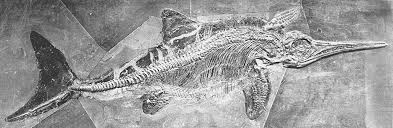
Ichthyosaurus is an extinct genus of marine reptiles belonging to the order Ichthyosauria that thrived during the Early Jurassic period, about 201–183 million years ago. Known from Europe, especially England and Germany, it was among the earliest and best-preserved ichthyosaurs, central to early paleontological discoveries and the understanding of prehistoric marine life.
Plesiosaurs were large, extinct marine reptiles of the order Plesiosauria that lived during the Mesozoic Era, from the Late Triassic to the end of the Cretaceous (about 215–66 million years ago). Distinguished by their broad bodies, four powerful flippers, and often dramatically long necks, they were among the most successful aquatic predators of their time.
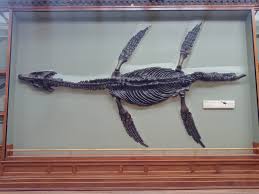
Pliosaurus is a genus of large, extinct marine reptiles belonging to the pliosaurid family, which lived during the Late Jurassic period. These apex predators were characterized by massive skulls, short necks, and powerful flippers, enabling them to dominate the Mesozoic seas of what is now Europe and South America.